Thursday, 6 October 2016

Stillbirth and bacteria linked for first time


A common type of bacteria, carried by many women, has been linked with premature delivery and stillbirths. This understanding may help to reduce the number of deaths.
Researchers have found that Group B Streptococcus (GBS) bacteria, which occur in the vagina of 20 to 30 percent of women, are associated with stillbirths. The findings come from a study conducted using mice.
Group B Streptococcus infection is the infection caused by the bacterium Streptococcus agalactiae. In general, GBS is a harmless commensal (a relationships between two organisms) bacterium being part of the human microbiota colonizing the gastrointestinal and genitourinary tracts. However, in some cases the bacterium can cause an infection that can result in the death of a newborn baby. There is around a one in 200 chance of that happening, according to infectious diseases expert Professor Sanjaya Senanayake from the Australian National University (ANU).
This much has been known for several years, what is new is the connection between GBS and stillbirths and premature delivery. This is the subject of the new research performed at the Indian Institute of Technology – Bombay.
The finding is the result of observational studies. When scientists examined the placenta of mice, that had been infected with GBS and after a stillbirth had occurred, inflammation was observed. The situation was created by the amniotic sac in the pregnant mice being deliberately infected with GBS at day 18 of the pregnancy.
Correlating this with detection of GBS, commentating microbiologist Professor Sanjaya Senanayake from the Australian National University explains: "What these scientists are saying is that they found the bug, that can cause problems in newborns, can produce these little packets of inflammation and without moving from the vagina can send these packets of inflammation into the womb and can cause induced premature labour and stillbirths.”.
The findings help to explain why with some cases of stillbirths and premature babies inflammation is observed under the microscope but the bacteria are not detected. The implications of the research could affect testing, monitoring for and management of GBS during pregnancy.
The research has been published in the journal PLOS Pathogens in a paper headed “Membrane Vesicles of Group B Streptococcus Disrupt Feto-Maternal Barrier Leading to Preterm Birth.”


Posted by Dr. Tim Sandle

Wednesday, 5 October 2016

This Is the Major Problem of Powder Processing


Powder processing is one of the most common ways to manufacture most medications. Since it can process ingredients in bulk, it is also one of the most efficient ways to make sure the demands for these pharmaceuticals are met in a timely manner. Unfortunately, any time you work with bulk materials, especially in powdered forms, you run the risk of improperly mixing ingredients, components spoiling because of environmental factors, or a variety of other problems.

This is a guest post by Megan Ray Nichols
 
This is one of the major problems we face when utilizing powder processing in the medical industry. A strong quality assurance (QA) or quality control (QC) presence can help to prevent a lot of these problems, as well as the potential harm they could cause if improperly mixed medicines are allowed to reach the general public.

The Importance of Quality Control

The pharmaceutical industry isn’t the only one that works with powders and powder-based materials. If you’ve ever used a powdered drink mix or a dry soup mix, then you have a bit of experience with the concept of powder processing.

Quality control in any powder-processing environment is essential to make sure the products being produced are safe, properly handled and formulated correctly.

Quality control and quality assurance shouldn’t just be at the end of the production line, either. In order to ensure producing the best and highest quality product, there should be QA and QC teams in place from beginning to end — from raw material gathering to checking the finished product.

When dealing with pharmaceuticals, a good QA team could potentially prevent a host of problems, like:
·         Dosage problems: It’s essential to make sure the products are mixed correctly, or you’ll end up with batches of highly concentrated medicine and batches that are nothing more than filler material.

·         Consistency: In order to be pressed into their final form, most powder-processed pharmaceuticals require a certain consistency and moisture content in order to hold their finished shape. If you’ve got too little moisture, they’ll crumble apart. On the other hand, too much moisture will leave you with a mushy pile of mud instead. Additionally, if the product has to be screened or filtered and it’s too thick, it will likely be unable to pass through the necessary filters.

·         Bacterial Growth: While this isn’t a problem with most materials, any risk of bacterial growth should be minimized.

This outlines just a few of the things a vigilant quality control team should be on the lookout for when dealing with powder-processing systems.

Powder Processing vs. The Environment

As with any manufacturing system, powder processing can be easily and often negatively affected by the environment in and around the manufacturing facility. Even the areas in which the facility is located can affect production efficiency and final product quality.

Humidity, for example, is a constant threat, especially in areas like the southeastern United States where the humidity is high throughout the year. Without the ability to monitor and control the ambient humidity in a manufacturing facility, you could potentially face production difficulties when your powders absorb the moisture and begin to clump. If left unchecked, this could make production difficult, if not impossible.

Extreme temperatures, either high or low, in an unregulated environment could also prove detrimental to production. In addition to making manufacturing more difficult, extreme temperatures could damage the efficacy of the pharmaceutical powders, making them less likely to work as intended.

Safety Measures
When working with a powder-processing system, consider investing in an efficient environmental control system that allows you to control factors such as temperature, humidity, and air movement to keep any of these things from potentially damaging your manufacturing system.

Additionally, an efficient and well-trained quality control/quality assurance team is your best defense when it comes to manufacturing problems. Quick and accurate tests that allow your team to verify the consistency, efficacy, and dosage of the medications being produced will be helpful as well.

Conclusion

Powder processing is still one of the most efficient and effective methods for manufacturing pharmaceuticals. It’s up to you, as the manufacturer, to make sure the products you’re creating are as safe and effective as possible. The best way to do this is to make sure any environmental variables are under control and your quality control team is well equipped to make sure the first dose you produce is as perfect as the last.

By Megan Ray Nichols

ISO 14644 Part 14 issued


A new part of the ISO cleanroom series has been issued:

ISO 14644-14 links the cleanroom classifications found in the landmark ISO 14644-1:2015, Classification of air cleanliness by particle concentration to the suitability of equipment (e.g., machinery, measuring and process components and tools) for use in cleanrooms and associated controlled environments.

Before an assessment can be executed, the customer and supplier must agree upon the particle size range(s) designated by the relevant ISO Class given in ISO 14644-1 and the test item, including mode of operation.

The document provides both an assessment procedure and documentation requirements.
Informative annexes provide an example including calculations regarding establishing reference to ISO 14644-1, Table 1 - ISO Classes of air cleanliness by particle concentration, as well as additional optional tests to obtain information regarding impact on processes and the adjacent environment.

Further details via Cleanroom Technology

Posted by Dr. Tim Sandle

Tuesday, 4 October 2016

Pharmacopeial Forum 42 (4)


A new edition of the Pharmacopeial Forum Vol. 42, No.4, has been issued. Items of interest include:

Chapter 785 Osmolality and Osmolarity

Proposed revision details:
  • Add clarity to the text in the Introduction.
  • Add examples of how to convert from osmolality to osmolarity.
  • Add information about the shelf life of Standard Solutions in Measurement of Osmolality, Standard Solutions.
  • Add tolerances for the amounts of sodium chloride (NaCl) in Measurement of Osmolality, Standard Solutions and how they should be prepared.
  • Update instructions on how to evaluate repeatability in the osmometer calibration.
  • Include information about possible suppliers of commercially available standard solutions used in the osmometer calibration.
Additionally, minor editorial changes have been made to update the chapter to current USP style.

Chapter 857 Ultraviolet-Visible Spectroscopy

Proposed revision details:
  • Introduction: Clarification on the type of equipment covered and not covered by this chapter.
  • Control of Wavelengths: Inclusion of possible procedures and clarification of the acceptance criteria.
  • Control of Absorbance: Inclusion of the procedures and acceptance criteria for the regions of 0–1 A and 1–3 A; update of the National Institute of Standards and Technology (NIST) documents referenced; and inclusion of tabulated values of absorptivity for potassium dichromate solutions. Clarification of the acceptance criteria for neutral-density glass filters.
  • Limit of Stray Light: Inclusion of two procedures for measuring stray light.
  • Resolution: Inclusion of a more detailed procedure to evaluate this parameter.
  • Validation, Quantitation Limit: Update of the ASTM document referenced.
  • Validation, Linearity: Replacement of correlation coefficient R with r2.
  • Validation, Robustness: Inclusion of the statement that this parameter is evaluated during method development

Chapter 1079.1 Storage and Transportation of Investigational Drug Products [NEW]

Chapter 1857  Ultraviolet-Visible Spectroscopy – Theory and Practice

Changes include: 
  • Analytical Considerations, Instrumental Factors, Spectral Bandwidth, inclusion of the use of the atomic deuterium line to confirm the spectral bandwidth.
  • Analytical Considerations, Instrumental Factors, Stray Light, inclusion of additional information and discussion on the effects of stray light.
  • Analytical Considerations, Sampling Factors, Cell Corrections, changing the title of this subsection to “Cell Matching Corrections.


Posted by Dr. Tim Sandle

Sunday, 2 October 2016

Pharmeuropa 28.3


A new edition of Pharmeuropa has been issued (28.3). Pharmeuropa is an EDQM publication. Draft monographs are published in Pharmeuropa for public enquiry, which lasts for three months.


Items of interest are:

3.2.3    Sterile plastic containers for human blood and blood components

Tests: the use of water for injections R has been replaced by water R (the use of sterilised water for injection is not considered suitable for testing purposes); this change is in accordance with general chapter 3.1.1.1. Materials based on plasticised poly(vinylchloride) for containers for human blood and blood components.

Pyrogens: to avoid animal testing, in accordance with EU Directive 2010/63/EU and the policy of the European Pharmacopoeia Commission, the test for pyrogens has been replaced by the test for bacterial endotoxins.

Packaging, Labelling: the requirements have been revised.


3.2.9    Rubber closures for containers for aqueous parenteral preparations, for powders and for freeze-dried powders

The scope of this general chapter has been expanded to include coated closures, bi-layer seals and lubricated closures to reflect better the range of closures on the market. More details are provided in the Identification section for greater clarity.

Identification A (IR): the amount of rubber required is described as ‘an appropriate amount’ to allow more flexibility.


Identification B (total ash): an indication has been added to explain how to proceed with samples that are not subjected to steam sterilisation; an indication has been added to allow compliance with the limit for a specific rubber type, when available.
Solution S: the washing step performed before the preparation of solution S has been deleted; the procedure for the measurement of the temperature during autoclaving has been clarified.

Appearance of solution S: limits for nephelometric measurements have been included.
Acidity or alkalinity: clarification has been added on when to perform the titration.
Extractable zinc: the description of the test solution preparation has been revised to be more specific.


Self-sealing test: a requirement to use a vial that fits with the closure has been added

0008    Water, Purified

In line with the Ph. Eur. implementation strategy of the ICH Q3D Guideline on Elemental impurities, the test for heavy metals (2.4.8) is deleted.

However, to retain the aspect of control for elemental impurities, the ‘Purified water in bulk’ section of the monograph is revised to address the situation where purified water in bulk does not comply with the requirements for conductivity prescribed in Water for injections (0169) in bulk.

Posted by Dr. Tim Sandle

Saturday, 1 October 2016

Inherited Microbiomes?


Previous work has shown that certain bacterial species are transferred from parents to children. A new study from the Max Planck Institute in Tubingen suggests that part of your microbiome is actually inherited. That is, there are specific genes that regulate which bacteria thrive. To come to that conclusion, scientists correlated genetic variations to bacterial species in 1126 pairs of twins, both identical and fraternal. They found dozens of species that, while environmentally acquired, propagate due to genetics. These include species involved in gastrointestinal disorders, blood pressure regulation and autoimmunity.

For further details see Biotechnic.

Posted by Dr. Tim Sandle

Friday, 30 September 2016

Preparing for ISO 13485:2016


The new ISO 13485 revision is here and, for medical device manufacturers, this is significant news.

ISO 13485:2016 provides an international standard that can be truly harmonized across multiple regions and regulatory requirements. But it also introduces notable QMS changes, particularly in the area of risk management. In this 16-page white paper, we answer your biggest questions about ISO 13485:2016, including:
  • Overview of the update to the new standard
  • Breakdown of what has changed in each section
  • Guidelines on how to prepare for the new standard
  • Deadline for recertification
  • Requirements for recertification
  • Considerations for timing the update and recertfication

With this, Emergo has issued a white paper, which introduces the standard. It can be accessed here.

Posted by Dr. Tim Sandle

Thursday, 29 September 2016

Draft PIC/S guidance on data integrity


PIC/S has issued a new draft document relating to data integrity, titled “Good practices for data management and integrity in regulated GMP/GDP environments.” (PI 041-1 (Draft 2)).

According to the document:

Good data management practices influence the integrity of all data generated and recorded by a manufacturer and these practices should ensure that data is accurate, complete and reliable. While the main focus of this document is in relation to data integrity expectations, the principles herein should also be considered in the wider context of good data management.

Data Integrity is defined as “the extent to which all data are complete, consistent and accurate, throughout the data lifecycle” and is fundamental in a pharmaceutical quality system which ensures that medicines are of the required quality. Poor data integrity practices and vulnerabilities undermine the quality of records and evidence, and may ultimately undermine the quality of medicinal products.

Data integrity applies to all elements of the Quality Management System and the principles herein apply equally to data generated by electronic and paper-based systems.

The draft can be accessed here.


Posted by Dr. Tim Sandle

Wednesday, 28 September 2016

New EMA draft guideline on sterilisation of the medicinal product


Given the importance of sterile products, in providing both a therapeutic medicine and with regards to the necessity of being free from viable microorganisms, pyrogenic substances and visible particulates, no new guidance has been issued by a regulatory authority in recent years. This has changed with a new draft guidance document from the European Medicines Agency. Issued in April 2016 for public comment, the document is titled Guideline on the Sterilisation of the Medicinal Product, Active Substance, Excipient and Primary Container.

The key points are reviewed in an article for GMP Review by Tim Sandle. The reference is:

Sandle, T. (2016) New EMA draft guideline on sterilisation of the medicinal product, GMP Review, 15 (2): 6-8

For further details, please contact Tim Sandle


Posted by Dr. Tim Sandle

Monday, 26 September 2016

Improving bioburden testing


Tim Sandle has written an article for European Pharmaceutical Review about improving assurance in relation to microbial bioburden assessments. This relates to the use of biocontainer bags, designed to reduce the chance of false positives occurring.

Assessment of microbial levels in (and on) samples is an important part of pharmaceutical process control. Samples are drawn from intermediate product at defined stages (ideally based on risk assessment) and these allow for the microbial levels to be tracked from upstream processing to downstream processing (with an expectation that the microbial levels decrease, or at least remain unchanged provided they are below an acceptable action level). For aseptically products, European guidelines require a certain bioburden to be met at the point that a bulk product passes through a sterilising grade filter.

Due to the relatively low specification – of 10 CFU/100mL – pharmaceutical manufacturers need to ensure that false positive results are avoided (as might arise from extraneous environmental contamination). False positives can result in batch rejection. A key innovation, in recent years, is the biocontainer sampling bag. This item of irradiated plastic is in keeping with moves towards single use, sterile processing technology.

The article examines the importance of bioburden testing, particularly in relation to aseptically filled products, together with the most important criteria for sampling bags.

Sandle, T. (2016) Improving microbiological assurance for bioburden tests, European Pharmaceutical Review, 21 (3): 41-44

The article can be viewed via the European Pharmaceutical Review website.

Posted by Dr. Tim Sandle

Sunday, 25 September 2016

Mitigating Risks in Aseptic Manufacturing


The aseptic drug manufacturing sector has been under scrutiny following product recalls due to quality and manufacturing failures that threaten patient safety.

A new e-book has been issued by Pharmaceutical Technology. The book outlines the key issues of glass delamination and extractables and leachables are examined, as well as advances in blow-fill-seal technologies that can avoid manufacturing issues traditionally associated with aseptic fill processes.

For further details see: PharmaTech


Posted by Dr. Tim Sandle

Friday, 23 September 2016

EU GMP Annex 17 ‘real time testing’


The EMA has published responses to the public consultation on EU GMP Guidelines, revised Annex 17 on the Real Time Release testing.

The draft expands the concepts of ‘real time’ testing beyond just parametric release and could provide opportunities for the use of new and future technology to improve on-going process control, overall product quality and patient safety.

Such monitoring based on:

Critical Process Parameters: A process parameter whose variability has an impact on a critical quality attribute and therefore should be monitored or controlled to ensure the process produces the desired quality [ICH Q8 (R2)].

Critical Quality Attributes: A physical, chemical, biological, or microbiological property or characteristic that should be within an appropriate limit, range, or distribution to ensure the desired product quality. [ICH Q8 (R2)]

These comments can be found on the EMA website.

Posted by Dr. Tim Sandle

Wednesday, 21 September 2016

Bacterial endotoxin contamination and testing limits in ophthalmics


Endotoxin contamination in ophthalmic pharmaceuticals and medical devices presents a risk to users; moreover, endotoxins can cause acute inflammation of the eye following ocular lens replacement surgery.

A new article reviews the risks and requirements for product testing, together with current regulatory guidances. It further analyses recall data relating to ophthalmic pharmaceuticals due to endotoxin contamination. The article concludes by making recommendations for endotoxin control and sets out appropriate endotoxin test limits for finished ophthalmic products.

The article has been written by R. Vijakumar and Tim Sandle. The reference is:

Vijakumar, R. and Sandle, T. (2016) Bacterial endotoxin contamination and testing limits in ophthalmics, European Pharmaceutical Review, 21 (4): 16-18

For further details, please contact Tim Sandle

Posted by Dr. Tim Sandle


Tuesday, 20 September 2016

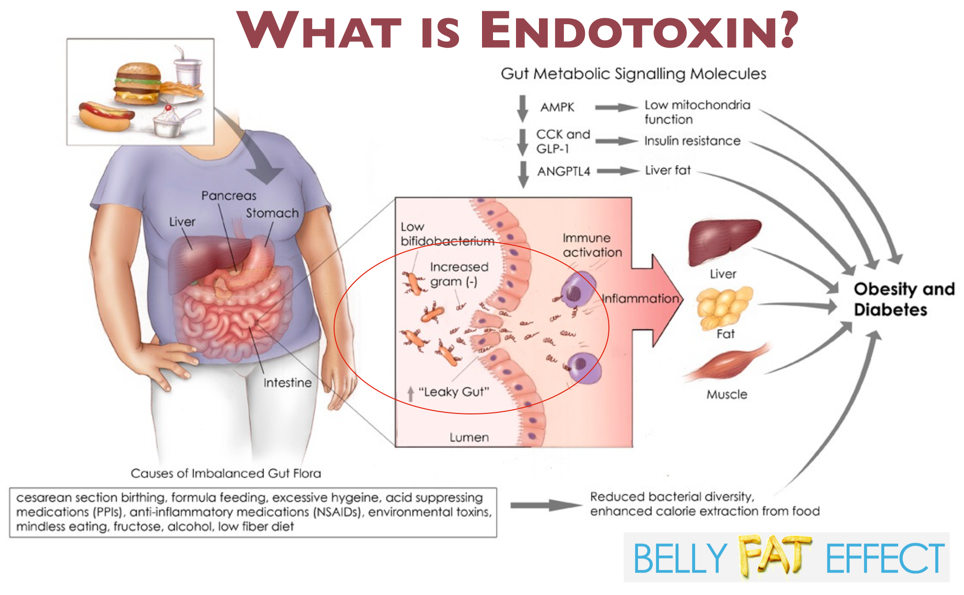
A Role for Endotoxin in Aggression and Depression


A link between depression and inflammation has been observed in many studies. Aberrant social behaviors, such as aggression, often present with depression and can be indicative of suicidal behavior.

A recent study addressed the association between stress-associated behaviors, such as aggression, and low-level inflammation induced by endotoxin challenge. They found that the addition of endotoxin-induced inflammation exacerbated depression in stress-induced mice but reduced signs of aggression. Specifically, endotoxin caused increases of IL-1β and 5-HT2A mRNA in the brain, increased serum corticosterone and increased TNFα in both the brain and liver. Stress alone did not cause these changes. However, the combination of stress and inflammation resulted in a reduction in the stress-induced changes in 5-HT and IL-1β. These results indicate that low-level inflammation can have significant impact on stress-induced behaviors, specifically reductions in aggression, which can lead to depression.

For further details, see the Journal of Neuroinflammation


Posted by Dr. Tim Sandle

Special offers