Monday, 13 July 2015

Screening and detection of bacteria with carbapenem hydrolysing β lactamases


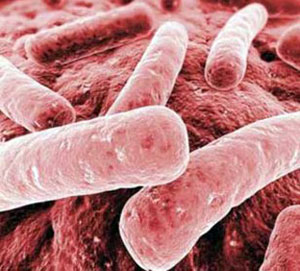
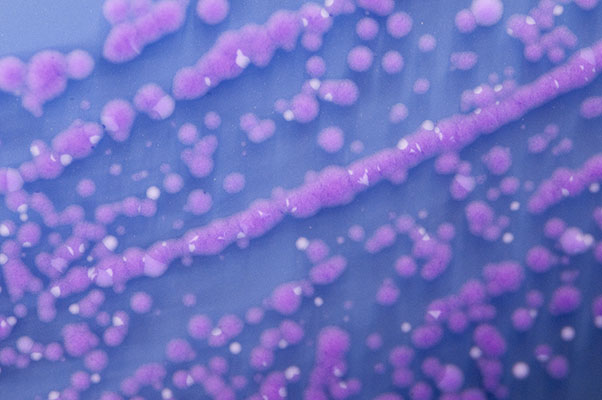
The U.K. government has posted a consultation document. The document asks for feedback in relation to the in relation to the SMI B 60: screening and detection of bacteria with carbapenem hydrolysing β lactamases (carbapenemases).

The term ‘carbapenemase’ is used to mean any β-lactamase that hydrolyses carbapenems ie any or all of doripenem, ertapenem, imipenem and meropenem. These carbapenems are antimicrobial drugs of last resort and are crucial for preventing and treating life-threatening nosocomial infections. Of clinical concern, many carbapenemases confer resistance or reduced susceptibility to all or nearly all members of the β-lactam class, not just to carbapenems.

Carbapenemases are intrinsic (found naturally) in a few clinical bacteria, such as Stenotrophomonas maltophilia, Aeromonas species, and ‘chryseobacteria’, including Elizabethkingia meningoseptica. Acinetobacter baumannii also has the gene for an intrinsic carbapenemase (OXA-51like), but this confers reduced susceptibility or resistance to carbapenems only when its expression is up-regulated by genetic reorganisation.

In addition, non-susceptibility or resistance to specific carbapenems is an intrinsic characteristic of some Gram negative bacteria: most non-fermenters are naturally resistant to ertapenem (but not to other carbapenems); Serratia species and Proteeae have intrinsic poor susceptibility or low-level resistance to imipenem (but not to other carbapenems).

The document can be accessed here.

 Posted by Tim Sandle

Sunday, 12 July 2015

Charles River to Acquire Celsis

A news post from Charles River, of relevance to rapid microbiological methods.

Charles River has announced plans to acquire Celsis International Ltd. Celsis is a leading provider of rapid microbial detection systems for quality control testing in the biopharmaceutical and consumer products industries. This acquisition complements Charles River's Endotoxin and Microbial Detection business, which is a leading provider of rapid endotoxin testing systems and bacterial identification services for biopharmaceutical manufacturing, creating the most comprehensive solution for rapid quality control testing of biopharmaceutical and consumer products.

The addition of Celsis, with its Advance II™, Accel™ and Innovate™ systems, will complement Charles River's recently introduced PTS-Micro™, a rapid bacterial detection system for biopharmaceutical applications. The combination of Charles River and Celsis will drive significant value for our clients' in-process and product release testing needs across a broad range of microbial detection applications.


Posted by Tim Sandle

Reverse osmosis for Water for Injection


This website has previously reported on forthcoming change to the European Pharmacopeia on the use of reverse osmosis, in addition to distillation, for producing WFI-bulk (Water for Injection).

This is now spelt out in the applicable monograph “Water for injections (0169)”. The proposed text reads:

“Water for injections in bulk is obtained from water that complies with the regulations on water intended for human consumption laid down by the competent authority or from purified water.

It is produced either:

– by distillation in an apparatus of which the parts in contact with the water are of neutral glass, quartz or a suitable metal and which is fitted with an effective device to prevent the entrainment of droplets; The correct maintenance of the apparatus is essential. the first portion of the distillate obtained when the apparatus begins to function is discarded and the distillate is collected; or

– by reverse osmosis, which may be single-pass or double-pass, coupled with other suitable
techniques such as deionisation and/or ultrafiltration.”

Posted by Tim Sandle

Saturday, 11 July 2015

Pharmacopeial Forum 41(2)

A new edition of the Pharmacopeial Forum has been issued. Of interest is proposed changes to the following general chapters:

<55>    Biological Indicators – Resistance Performance
(Revision proposal target, USP39-NF34 1st Supplement)

USP proposes revisions to this chapter to align its content with the new series of Sterilization of Compendial Articles <1229> chapters.

<191>  Identification Tests - General
(Revision proposal target, USP39-NF34 1st Supplement)

USP propose to modernise this chapter by providing an option of using instrumental identification methods in lieu of traditional wet-chemistry procedures.

<381>  Elastomeric Closures for Injections
(Revision proposal target, USP39-NF34 1st Supplement)

Due to the impending omission of Heavy Metals <231>, the USP Packaging, Storage, and Distribution Expert Committee is proposing the following revision while the Expert Committee works to modernize the chapter. The modernized chapter will include specific testing requirements for elastomeric materials of construction and elastomeric materials used in packaging systems. As part of this modernization effort, the elemental impurities tests for elastomeric materials and materials used in final packaging systems will also be updated.

<507>Protein Determination Procedures [NEW]
(Revision proposal target, USP39-NF34 1st Supplement)

A new general test chapter. The chapter contains multiple validated methods for the measurement of total protein, providing users with options depending on their sample matrix and measurement purpose.

<1229.5>Biological Indicators for Sterilization [NEW]
(Revision proposal target, USP39-NF34 1st Supplement)

USP proposes this new general information chapter as an addition to the <1229> family of chapters. The content on the use of biological indicators (BIs) in this proposal is consistent with that presented in that series of chapters. This proposed chapter contains information on BIs with respect to their types, characterization, and selection for specific types of sterilization, as well as responsibilities of the BI manufacturer and user.

This chapter will replace Biological Indicators for Sterilization <1035>, which will be proposed for deletion in the next issue of Pharmacopeial Forum.

<1229.9>Physiochemical Integrators and Indicators for Sterilization [NEW]
(Revision proposal target, USP39-NF34 1st Supplement)

A new general chapter as an addition to the Sterilization of Compendial Articles <1229> family of chapters. This general chapter will replace Sterilization—Chemical and Physiochemical Indicators and Integrators <1209> and will provide additional information on the use of chemical and physicochemical integrators and indicators under the <1229> parent chapter, consistent with the <1229> sterilization series of chapters. General chapter <1209> will be omitted in the next issue of Pharmacopeial Forum.


<1229.12>New Sterilization Methods[NEW]
(Revision proposal target, USP39-NF34 1st Supplement)

A new general chapter as an addition to the Sterilization of Compendial Articles <1229> family of sterilization chapters. Commonly available sterilization processes are intended for the elimination of microorganisms from the materials subjected to them. However, certain situations may arise in which the user may need to develop and implement a new or novel sterilization process. This chapter provides information on the important steps to be considered for such a process.

Posted by Tim Sandle

Friday, 10 July 2015

Pharmeuropa 27.2

A new edition of Pharmeuropa has been published. Pharmeuropa is a free online EDQM publication. Draft monographs are published in Pharmeuropa for public enquiry.

Of interest in the edition are:

2.4.8    Deletion of the test for heavy metals

A list of the texts impacted by the deletion of the test for heavy metals (2.4.8) is published for public consultation. Due to the large number of texts, deletion of the test from individual monographs will be implemented in the 9th Edition (9.0) of the European Pharmacopoeia (1 January 2017).

Water for injections (0169)

A revision of the monograph is proposed to take into account current manufacturing practices using methods other than distillation for producing water of injectable quality. The monograph revision is supported by the evidence provided in the document Reverse osmosis in Ph. Eur. monograph Water for injections (0169), published in Pharmeuropa (Useful information).

Substances for pharmaceutical use (2034)

Related substances and Bacterial endotoxin sections have been revised.

Posted by Tim Sandle

Thursday, 9 July 2015

Bacterial outer membrane proteins and antimicrobials

The discovery of how a group of bacteria rapidly adapts to changing growth conditions could have implications for future antibiotic development, according to research at the University of Oxford and the University of York.

Gram-negative bacteria have intricate regulatory mechanisms for ensuring they have the right complement of outer membrane proteins -- known as OMPs -- for a particular habitat. But little is known about how OMPs are replaced in the outer membrane when bacteria adapt to changes in their growth conditions.

The new research describes how bacteria are able to change the proteins in their outer membrane and how this is intimately linked to the process of protein insertion in the membrane.

For details about the research, see:

Rassam P, Copeland NA, Birkholz O, Toth C, Chavent M, Duncan A, Cross SJ, Housden NG, Kaminska R, Seger U, Quinn DM, Garrod TJ, Sansom MSP, Piehler J, Baumann CG and Kleanthous C. Supramolecular assemblies underpin turnover of outer membrane proteins in bacteria. Nature, June 2015 DOI: 10.1038/nature14461

Posted by Tim Sandle

Wednesday, 8 July 2015

Ebola virus disease: epidemiological update


Public Health England has issued an update on Ebola. The key points are: 
  • As of 31 May 2015, the World Health Organization (WHO) reports a total of 27,181 clinically compatible cases (CCC) of Ebola virus disease (EVD), including 11,162 deaths
  • There has been an increase in newly confirmed cases reported this week with Guinea reporting 13 cases (up from 9 in the previous week) and Sierra Leone reporting 12 cases (compared to 3 the previous week)
  • The geographical distribution of the new cases has also increased this week with cases reported across 4 prefectures in Guinea and 3 districts in Sierra Leone
  • In Sierra Leone most (8/12) cases were reported from Port Loko, while the majority (7/13) of cases in Guinea still reported from Forécariah prefecture (Figure 2)
  • Liberia remains EVD free
  • The progress to zero EVD cases remains a challenge requiring sustained effort, compounded by the arrival of the rainy season and ongoing problems with community resistance in both Guinea and Sierra Leone
  • The risk of EVD transmission occurring within the community in the UK is, and is expected to remain, very low.
The complete document can be read here.

Posted by Tim Sandle

Tuesday, 7 July 2015

Detection of enterobacteriaceae producing extended spectrum β lactamases


The term “ESBL” is used to mean acquired class A β-lactamases that hydrolyse and (usually) confer resistance to oxyimino- ‘2nd and 3rd generation’ cephalosporins, e.g. cefuroxime, cefotaxime, ceftazidime and ceftriaxone, but not cephamycins or carbapenems eg cefoxitin.

ESBLs are not the only β-lactamases to confer resistance to cephalosporins while sparing carbapenems, but are the most important. Moreover, as plasmid-mediated enzymes, they have great potential for spread. They occur mostly in Enterobacteriaceae (e.g. E. coli, Klebsiella species and Enterobacter species).

The U.K. government has posted a consultation document. The document asks for feedback in relation to the SMI B 59: detection of enterobacteriaceae producing extended spectrum β lactamases.

The document can be accessed here.

Posted by Tim Sandle

Monday, 6 July 2015

Legionnaires’ disease in England and Wales: 2014

Legionnaires’ disease is a severe but uncommon form of pneumonia associated with exposure to water systems (natural or man-made) colonised by legionella bacteria.

A new report presents the epidemiological data on cases of Legionnaires’ disease reported in residents of England and Wales where symptoms started during 2014. Comparative data from previous years are included where appropriate.

For details, see Public health England.

Posted by Tim Sandle

Microbial Risks and Investigations


A new book of interest. PDA / DHI have issued ‘Microbial Risks and Investigations’, edited by Jeanne Moldenhauer, Karen McCullough.

The Barr Decision (Barr, 1993) forever changed how pharmaceutical companies look at data that is out-of-specification (OOS). Following issue of this legal decision, many companies and regulators worked to determine how this decision affects microbiological test results.

Microbial Risk and Investigations, written by authors with years of industry experience and edited by industry experts Jeanne Moldenhauer and Karen Zink McCullogh, provides a wealth of information on microbial investigations and dealing with aberrant data. Many of the chapters include case studies that can provide guidance for common situations that may occur at your facility.

Some of the many topics covered include:
  • Types of Investigations
  • The Microbiologist's Tool Box
  • Quality Metrics
  • Contamination Risk Evaluation
  • Sterility Testing
  • Objectionable Organisms
  • Particulates
  • Rapid Microbiology Methods
The book contains two chapters by Tim Sandle, these are:

Sandle, T. (2015) Investigating Sterility Test Failures. In McCullough, K.Z. and Moldenhauer, J. (Eds.) Microbial Risks and Investigations, DHI/PDA, River Grove, USA, pp261-290

Sandle, T. (2015) Contamination Control Risk Assessment. In McCullough, K.Z. and Moldenhauer, J. (Eds.) Microbial Risks and Investigations, DHI/PDA, River Grove, USA, pp783-836

Posted by Tim Sandle

Sunday, 5 July 2015

Enriched culture medium test for group B streptococcus infection


Group B streptococcus (GBS, Streptococcus agalactiae), is a Gram positive bacterium found primarily in the gastrointestinal and genital tract. It usually causes no harm to the carrier but in infants, pregnant women, women who have recently given birth, and older adults, GBS can cause invasive disease

The U.K. government has issued a position paper that sets out the reasoning behind Public Health England’s (PHE) position that the use of enriched culture medium to detect group B streptococcus does not have a place within current accepted clinical guidance.

The paper and reasoning can be accessed here.

Posted by Tim Sandle

Saturday, 4 July 2015

PAT in Solid-Dosage Manufacturing


The ultimate goal, under the quality-by-design (QbD) initiative, is to build quality into the product rather than traditional batch testing at the end of the manufacturing process. In relation to the application of process analytical technology, Adeline Siew has produced an interesting overview for Pharmaceutical Technology. Here various industry experts are brought together to share their thoughts on this key subject.

The roundtable discussion can be accessed here.

Posted by Tim Sandle

Friday, 3 July 2015

Common Mistakes in Automated Washing


When establishing an effective cleaning program, it is important to consider industry-accepted cleaning factors, which include temperature, action, chemistry, and time (TACT), as well as coverage and soil. Olivier Van Houtte has written an insightful article on automated washing systems for Pharmaceutical Technology.

In relation to cleaning chemicals, Houtte writes: “Consider the appropriate operating range of water temperatures for the chemical being used to remove the soil. Check the manufacturer's label on the cleaning chemistry for the recommended water-temperature operation range to ensure timely and complete removal of a soil. The chemical's pH is also crucial. Using chemicals with the wrong pH can result in either a long wash time or improper cleaning. It is best to use acidic chemicals for inorganic, mineral-based soils and alkaline chemicals for organic and protein soils. It is also important to remember that certain types of process parts or load items might be pH sensitive. Acidic or alkaline detergents used to clean aluminum parts or load items, for example, can lead to accelerated degradation or deterioration of those item surfaces. When working with these types of substrates, the best results will usually be achieved by using a pH-neutral chemistry.”

The entire article can be accessed on-line here.

Posted by Tim Sandle

Thursday, 2 July 2015

Pharmig and NHS hold joint sporicide disinfection transfer meeting (report)


On 1st July 2015 in Birmingham, Pharmig and the NHS held a joint meeting examining the use of sporicides for aseptic transfer in pharmacy units. The meeting was convened in response to recent MHRA guidance, at the initiative of Rachel Blount. The object of the meeting was to share best practice and to outline a strategy for the implementation of sporicidal disinfectants.

The meeting titled “Sporicides – As Part Of Your Transfer Process”, was chaired by Tim Sizer (Regional Pharmaceutical Quality Assurance Officer South West).

The opening presentation was delivered by Tim Sandle (Pharmig committee member) on the subject of spores. Tim introduced bacterial and fungal spores and explained therisk factors associated with both (bacterial spores having a three layered structure that confers resistance and limits chemical diffusion; and fungal spores, which can secrete enzymes). Tim placed a strong emphasis on the need for a sound biocontamination control strategy to reduce the presence of spores in the first place.

The second presentation was delivered by Tim Sizer. Here some of the recent contamination incidences involving fungal and bacteria spores were outlined. This included the infamous New England Compounding Centre fungal meningitis issue, where a number of failures to adhere to Good Manufacturing Practice led to a mutli-state outbreak of infections. The other topical issue was the contamination of intravenous bags with Bacillus cereus, which led to several deaths of babies in NHS hospitals during 2014.

Mark Oldcorne (All Wales Quality Assurance Specialist Pharmacist) delivered the third presentation of the day. Here Mark focused on an interpretation of the MHRA guidelines and the key requirements of effective use of sporicides in aseptic transfer (including the need to standardise wiping steps).


Rachel Blount (Pharmig committee member) presented the fourth lecture on disinfectant efficacy standards. This included the new standard for pre-saturated disinfectant wipes (ISO 16615). Rachel outlined key aspects such as contact time, challenge populations, clean and dirty conditions (through simulated soiling). Rachel emphasised that the surface test provided more meaningful information than the suspension test.

The fifth presentation was delivered by Tim Sandle. With this Tim outlined many of the sporicidal disinfectants available and narrowed the list down to those that could readily be used in practice. Tim urged delegates to challenge the information provided by manufacturers and that the only ‘true’ test was how a product behaved in practice; here data from environmental monitoring is important.

This was followed by a second presentation from Mark Oldcorne. Mark outlined the important criteria for the selection of a sporicidal product. The important criteria were contact time; residue breakdown products; concerns with corrosiveness; stability; and quality.

The day finished with a best practice session presented by Tim Sizer and Mark Oldcorne, looking a schematics relating to the best practices for implementing a risk-based sporicidal transfer process. The key steps involved were outlined.


The event was supported by Pharmig members who supply disinfectant products and related tests for environmental control. The 130 delegates gave positive feedback, and found the opportunity to discuss matters with experts throughout the day very useful.

The one-day event was both educational and practically based. Importantly, many delegates left with a clearer understanding of what needs to be done for the implementation of a sporicidal product into a pharmacy unit.  Pharmig and the NHS are planning to hold a second event in the near future.


Posted by Tim Sandle

Designing Clean Zones

When designing a facility for pharmaceutical manufacturing, a foremost consideration is preventing product contamination. Eric Bohn has written an interesting article about good cleanroom design for Pharmaceutical Technology.

In relation to gowning, Bohn wires:

“Gowning has several functions. First and foremost, it is about protecting the product. The human body is continually generating particles through hair loss, shedding of dead skin, exhalant, and saliva. Of the potential sources of contamination in cleanrooms, people generate the most, and greater activity increases the release rate of these contaminates. Gowning (i.e., the covering of exposed hair, skin, and, in some cases, the nose and mouth) contains contaminates and protects the production area from the operators. When working in such areas, residue can collect on the exposed surfaces of the gowning materials. If personnel enter other areas, the residue can be transferred, thus causing cross contamination. Gowning procedures can keep these contaminates from passing between adjacent spaces by requiring disposal of used gowns and re-gowning before entering another production area.”

The article can be read in full here.

Posted by Tim Sandle

Special offers