Saturday, 6 December 2014

Occupational Safety and Health for Cleanrooms

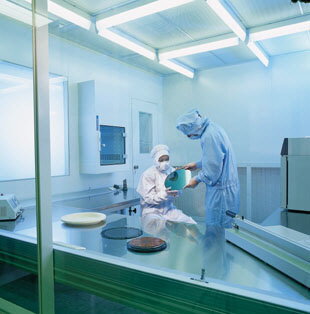
A facility manager’s task is to decide which requirements apply to his or her operation, and what particular segment of their operation crosses over or intersects with the specific industry standard that may apply at any given point of their daily operations. This is the basis of an interesting article by Randall B. Charpentier for Controlled Environments.
Charpentier addresses industry standards for cleanroom operations. This includes:
  • Medical services and first aid
  • Exit routes, emergency action plans, and fire prevention plans
  • Fire prevention plans
  • Fire protection
  • Hazardous materials
  • Toxic and hazardous substances/air contaminants
  • Personal protective equipment
  • Occupational exposure to hazardous chemicals in laboratories

To view, see Controlled Environments


Posted by Tim Sandle

Friday, 5 December 2014

Gene Therapy for Bacteria?

Many antibiotics in use today are effective against a broad range of bacteria. But their misuse has led to the development of multi-drug resistant organisms, so-called “superbugs.”

Timothy Lu and Chao Zhong (MIT) and Lei Chen and Yan Liang (L2Molecule.com)
“We were very frustrated with the fact that most broad-spectrum antibiotics are still being used, and we think that there are a lot of consequences associated with that,” said Timothy Lu, a biological and electrical engineer at the Massachusetts Institute of Technology. “Instead of trying to blast everything in the population, we wondered whether we could build antimicrobials that have sequence-specific effects.”

Taking advantage of phage-based delivery techniques developed in their lab, Lu’s group employed CRISPR-Cas—a system that bacteria use to prevent viral attack—to delete offending genes such as NDM-1, which imparts bacterial resistance to a broad range of beta-lactam antibiotics.

In a synthetic grouping of three strains of Escherichia coli with differing antibiotic-resistance profiles, the team was able to selectively target the strain they wanted using their new strategy, while leaving other bacteria intact (1).The group treated waxworm larvae infected with a harmful form of E. coli and are currently performing studies in mice.

Although this CRISPR-Cas system is simple and inexpensive to build, delivering the system efficiently into specific bacteria is not trivial. That’s the biggest barrier for commercial development as a therapeutic, Lu said. There are no phage-based delivery systems currently approved in the US for use in humans.

“Translating this work into a therapy will require the future development of methods for delivering these constructs. Nonetheless, this work represents a very interesting paradigm for antimicrobial ‘gene therapy’,” said Ahmad Khalil, assistant professor of biomedical engineering at Boston University, who was not involved with the research.

Another study by a separate group, published online in Nature Biotechnology, describes a similar approach to killing virulent, but not avirulent, Staphylococcus aureus (2).

Both groups have filed patents for their new targeting systems.

References

1. Citorik RJ, Mimee M, Lu TK. Sequence-specific antimicrobials using efficiently delivered RNA-guided nucleases. Nat Biotechnol. 2014 Sep 21. doi: 10.1038/nbt.3011. [Epub ahead of print]
2. Bikard D, Euler CW, Jiang W, Nussenzweig PM, Goldberg GW, Duportet X, Fischetti VA, Marraffini LA. Exploiting CRISPR-Cas nucleases to produce sequence-specific antimicrobials. Nat Biotechnol. 2014 Oct 5. doi: 10.1038/nbt.3043. [Epub ahead of print]


 Source: Biotechniques

Posted by Tim Sandle

Thursday, 4 December 2014

Latest Guide to Process pH Measurement

Mettler Toledo are offering a free guide to pH measurement.

Available to view online or download, this guide focuses on the theory and practice of pH applications in process industries.

Subjects covered in this 100-page guide include:
  •      The general principles of pH measurement
  •      Choosing the correct sensor
  •      Advantages of Intelligent Sensor Management (ISM)
  •      Signal processing and environmental influences
  •      Accuracy and reproducibility of measurement values
  •      Avoiding contamination
  •      Application examples, solutions and troubleshooting

For details see: Mettler

Posted by Tim Sandle

Wednesday, 3 December 2014

Missing link between fungi and parasites


Zoologists at the University of Basel in Switzerland have now discovered a new parasite species that represents the missing link between fungi and an extreme group of parasites.

Microsporidia are a large group of extreme parasites that invade humans and animals and cost great damage for health care systems and in agriculture; over 1,200 species are known. They live inside their host's cells and have highly specialized features: They are only able to reproduce inside the host's cells, they have the smallest known genome of all organisms with a cell nucleus (eukaryotes) and they possess no mitochondria of their own (the cell's power plant). In addition, they developed a specialized infection apparatus, the polar tube, which they use to insert themselves into the cells of their host. Due to their phenomenal high molecular evolution rate, genome analysis has so far been rather unsuccessful: Their great genomic divergence from all other known organisms further complicates the study of their evolutionary lineage.

The team of zoologists lead by Prof. Dieter Ebert has been studying the evolution of microsporidia for years. When they discovered a new parasite in water fleas a couple of years ago, they classified this undescribed species as a microsporidium, mostly because it possessed the unique harpoon-like infection apparatus (the polar-tube), one of the hallmarks of microsporidia. The analysis of the entire genome had several surprises in store for them: The genome resembles more that of a fungi than a microsporidium and, in addition, also has a mitochondrial genome. The new species, now named Mitosporidium daphniae, thus represents the missing link between fungi and microsporidia.

With the help of scientists in Sweden and the U.S., the Basel researchers rewrote the evolutionary history of microsporidia. First, they showed that the new species derives from the ancestors of all known microsporidians and further, that the microsporidians derive from the most ancient fungi; thus its exact place in the tree of life has finally been found. Further research confirms that the new species does in fact have a microsporidic, intracellular and parasitic lifestyle, but that its genome is rather atypical for a microsporidium. It resembles much more the genome of their fungal ancestors.

The scientists thus conclude that the microsporidia adopted intracellular parasitism first and only later changed their genome significantly. These genetic adaptations include the loss of mitochondria, as well as extreme metabolic and genomic simplification.

For further details, see:

Haag, K.L., James, T.Y., Pombert, J.-F., Larsson, R., Schaer, T.M.M., Refardt, D. & Ebert, D. Evolution of a morphological novelty occurred before genome compaction in a lineage of extreme parasites. Proceedings of the National Academy of Sciences, October 2014 DOI: 10.1073/pnas.1410442111

Posted by Tim Sandle

Tuesday, 2 December 2014

Instantaneous Microbial Detection for Water


Image created by Tim Sandle. 
 
Technology focus:

New technologies based on laser-induced fluorescence (LIF) detect intrinsic fluorescence instead of growth, can operate continuously, and deliver real-time results for the microbiological monitoring of water. As applied to pharmaceutical water quality, LIF-based, instantaneous microbial detection technologies enable real-time bioburden monitoring, risk reduction, and process control.

With the technique, laser, or light, induced fluorescence is used (LIF). LIF is a spectroscopic technique capable of high sensitivity in the detection of compounds that fluoresce. Fluorescence is the luminescence that occurs with the absorption of radiation at one wavelength followed by the emission of radiation at a different wavelength. Substances that typically fluoresce may be referred to as fluorophores. Quinine is a familiar fluorophore due to its presence in tonic water.

The application of LIF to detect microorganisms has been leveraged in flow cytometry, capillary electrophoresis, solid-phase cytometry, adenosine triphosphate bioluminescence, and growth-based auto fluorescence. In a number of these techniques, microorganisms are dyed to increase the measurable fluorescence. Measuring the intrinsic fluorescence of a microorganism removes the requirement for dyes and sample preparation, but requires an instrument with significant sensitivity. As lasers of additional wavelengths at higher power levels have become commercially available, LIF has become very relevant in applications requiring detection of low levels of microbial intrinsic fluorescence.

A light source such as a laser is the excitation source in LIF. A laser of appropriate wavelength and intensity is capable of inducing intrinsic fluorescence emission from microbes due to constituent fluorophores such as tryptophan, nicotinamide adenine dinucleotides (NADH), and flavins that are present in microorganisms.7 The target excitation wavelength is based on the excitation spectra of target fluorophores such that sufficient fluorescence intensity is induced for measurement and a greater number of non-biologic materials may be excluded. Yet, non-biologic materials such as plastics, rubbers, and paper can also fluoresce pointing to the importance of software discrimination algorithms.


For further details, see Controlled Environments.

Posted by Tim Sandle

Monday, 1 December 2014

Variability and Test Error with the LAL Assay


The Limulus amebocyte lysate (LAL) assay is the compendial test for the examination of bacterial endotoxin in pharmaceutical products (as described in USP chapter <85>), in-process material, and pharmaceutical grade water.

With any biological tests, measurements are susceptible to variations in analytical conditions. Here the LAL assay has a relatively high level of variability even for a biological assay. This variation derives from 3 principle sources: reagents, product, and method. This paper examines some of the reasons for LAL test variation, focusing on photometric methods (chromogenic and turbidimetric), and considers how variation can be assessed through good laboratory quality control.

To review a new paper by Tim Sandle that looks at the variations and reasons for test error with the LAL assay, see American Pharmaceutical Review.

Reference:

Sandle, T. (2014) Variability and Test Error with the LAL Assay, American Pharmaceutical Review, October 2014, pp1-5

Posted by Tim Sandle

Pharmig 2014 - conference report


This week some of Europe's leading microbiologists gathered in Nottingham (U.K.) for the Pharmaceutical Microbiology Interest Group (Pharmig) annual conference. One of the key themes was keeping medicines safe from harmful microorganisms.

Pharmig is a non-profit making professional organisation that represents the interests of individuals who work in, have responsibility for, or work alongside microbiology within the pharmaceutical, healthcare, cosmetics and healthcare sectors. Each year Pharmig hosts the only U.K. and Irish conference for microbiology professionals working across these sectors, and the conference attracts scientists from around the world.
These years conference was held in Nottingham, the city famous for the legend of Robin Hood and the tales of Sherwood Forest. The conference was chaired by David Keen (GlaxoSmithKiline).
The first speaker was Dr. Tim Sandle, who presented on the human microbiome and the Human Microbiome Project. Dr. Sandle explained the significance of these cutting-edge science topics for the pharmaceutical and healthcare sectors. The Human Microbiome Project was a U.S. National Institutes of Health initiative that set the goal of identifying and characterizing the microorganisms which are found in association with both healthy and diseased humans (the human microbiome). One aspect that Dr. Sandle focused on was the ecology of the human skin, which he explained as being composed of a series of niches. Knowing far more about the human microbiome, Dr. Sandle argued, means that companies involved in producing medicines must focus on how well their staff gown (in relation to wearing clean clothing) and consider more fully how disinfectants - necessary for keeping clean areas under control - are qualified. "Are we", he asked, "using the right types of microorganisms, particularly those known to inhabit the richest areas of the skin microbiome, to show that our disinfectants are fit-for-purpose?"
This presentation was followed by a commercial pitch about keeping microbial cultures pure. The next main presentation was from Patrick Nieuwenhuizen, from Genzyme Ireland. Patrick considered how well operators who are tasked with the manufacture of medicines are trained. Patrick came up with some imaginative strategies for instilling good training, which included the use of video recordings. Patrick also demonstrated how poor behaviors can lead to potential contamination of medicines.
mystery tunnel  a picture I took using green light effects at my wokplace cleanroom
Following this the meeting proceeded to open discussion sessions. Here delegates opted for different specialist subjects. These subjects included cleanrooms (the environments within which pharmaceutical products are made); bacterial endotoxins (a fever inducing bacterial by-product which is of particular concern with medicines administered intravenously); using a broader range of microorganisms to show that the culture media used to assess environments is suitable; and an experts' corner.
The next main presentation was delivered by Elaine Doyle (Abbott Laboratories). Elaine provided an approach for auditing and self-inspection, so that the pharmaceutical industry can ensure that its practices and contamination control strategies are suitable.
Leading on from this, Alan Whipple (GlaxoSmithKline) discussed when knowing the species of a potentially contaminating microorganism is important, and he provided some useful advice on a microbial identification strategy. The final presentation of the first day was from Mary Anne-Weatherhead (Pfizer). Mary-Anne argued that more microbiologists should take on senior quality roles in organizations, especially because the microbiological knowledge is key for product safety and efficacy.
A technician undertaking a test in Tim Sandle s laboratory

On the second day of the conference, Kevin Wright, who is a scientist based at , Procter & Gamble, looked at the importance of controlling microbial populations (bioburden) early on in the pharmaceutical production process. Such attention, Kevin stated, leads to safer medicines.
The second topic was carrying out effective investigations when contamination events occur. This was led by Joanne Spiers, from the company Catalent Pharma Solutions. Joanne provided delegates with a series of problem solving tools that can aid efficient investigations.
The next session was introduced by Dr. Samantha Westgate of the company Perfectus Biomed. Dr. Westgate looked at the contamination of water systems though types of microbial communities called biofilms. Here it was explained that bacterial adhesion is a consequence of the balance of attractive and repulsive physicochemical interactions between bacteria and surfaces. This phenomenon can lead to water systems, if they are not properly controlled, from coming contaminated. Once they have taken foot, biofilms are very difficult to remove.
Laboratory technician at work

The penultimate session was delivered by Dr. Mark Sutton, from Public Health Englanbd. This centered on faster and more effective ways of ensuring that sterilization process, especially those that rely on gases like hydrogen peroxide, can be assessed more rapidly and effectively. The final session took the form of an entertaining lecture from Professor Val Edwards-Jones (Clinical Director at MelBec Microbiology). Professor Edwards-Jones noted that there is huge concern in the microbiology community about the increasing numbers of multi-antibiotic resistant bacteria in the health care environment. She noted that infections associated with these organisms have a higher fatality for those persons undergoing complicated medical treatment. In light of this, the Professor asked "Should we be worried?" Indeed there is evidence that these organisms have now spread into the general community and microbiologists have isolated some common everyday objects, including household pets. Noting the seriousness, Professor Edwards-Jones explored the relevance of these problems to the general public and how prevention of some common infectious diseases can be achieved by following good hygienic practices.
The Pharmig conference closed on a high note, with the delegates informed on a range of important topics that can each add to the process of making pharmaceutical products safer. 

Posted by Tim Sandle

Sunday, 30 November 2014

Working Safely in the Cleanroom

Jan Eudy has written an interesting article for Controlled Environments about personnel in cleanrooms. In the article, Eudy writes:

A cleanroom safety program would define how the PPE (personal protective equipment) or cleanroom garments are worn to enhance operator safety. Examples of safety criteria are:
  • Hoods are worn securely on the head to minimize movement of the hood and maximize operator visibility.
  • Masks are fixed securely over mouth and nose to minimize movement of the mask and maximize operator visibility.
  • Goggles or safety glasses are worn to protect the eyes and should be worn to maximize operator visibility.
  • Coveralls are chosen based on size of the operator for comfort and safety. The bottom of the coverall legs must be secure at the ankles to reduce risk of trips or falls from walking on the fabric of the coverall legs.
  • Boots and/or shoe covers are chosen based on size of the operator’s shoes and specific operations performed in the cleanroom. Boots and/or shoe covers should fit snugly over shoes and be secured with strap(s) at the top of the foot. The top fabric of the boots should be secured at the knee to avoid slips or falls.
To access the article, go to Controlled Environments


Posted by Tim Sandle

Saturday, 29 November 2014

Antibiotics trigger super-spreaders

In a new study, Salmonella-infected mice that were given antibiotics became sicker and began shedding far more bacteria in their feces than they had before.

When the scientists gave oral antibiotics to mice infected with Salmonella typhimurium, a small minority -- so called "superspreaders" that had been shedding high numbers of salmonella in their feces for weeks -- remained healthy; they were unaffected by either the disease or the antibiotic. The rest of the mice got sicker instead of better and, oddly, started shedding like superspreaders. The findings point to a reason for superspreaders' ability to remain asymptomatic. They also pose ominous questions about the widespread, routine use of sub-therapeutic doses of antibiotics in livestock.

For further details, see:

Smita Gopinath, Joshua S. Lichtman, Donna M. Bouley, Joshua E. Elias, and Denise M. Monack. Role of disease-associated tolerance in infectious superspreaders. PNAS, October 20, 2014 DOI: 10.1073/pnas.1409968111


Posted by Tim Sandle

Friday, 28 November 2014

Bladderwrack and bacterial resistance

The bladderwrack Fucus vesiculosus is a species of brown algae, found along the North Atlantic coasts. The algae has an interesting defence mechanism against bacterial infections.

Bacteria generally play a crucial role in the life of seaweeds. Also the bladderwrack lives in symbiosis with many types of bacteria that feed it with certain growth factors and nutrients. On the other hand, some other bacterial species can harm the seaweed. To deter them, Fucus produces different chemical compounds.

In terms of climate change, under changed light or temperature conditions the production of single defensive compounds decreased in comparison to unchanged conditions.

For further details, refer to:

Mahasweta Saha, Martin Rempt, Stephanie B. Stratil, Martin Wahl, Georg Pohnert, Florian Weinberger. Defence Chemistry Modulation by Light and Temperature Shifts and the Resulting Effects on Associated Epibacteria of Fucus vesiculosus. PLoS ONE, 2014; 9 (10): e105333 DOI: 10.1371/journal.pone.0105333

Posted by Tim Sandle

Thursday, 27 November 2014

Biosimilars market rises

A new report suggests that specialty pharmaceuticals are growing in proportion of total pharmaceutical spend in the United States as well as in cost to the patient and healthcare system at an unsustainable rate.

Biosimilars also known as follow-on biologics are biologic medical products whose active drug substance is made by a living organism or derived from a living organism by means of recombinant DNA or controlled gene expression methods. Biosimilars (or follow-on biologics) are terms used to describe officially approved subsequent versions of innovator biopharmaceutical products made by a different sponsor following patent and exclusivity expiry on the innovator product.

The Biologics Price Competition and Innovation Act (BPCIA) of 2009 was enacted as part of the Patient Protection and Affordable Care Act on March 23, 2010, to alleviate some of those pressures. It amended the Public Health Services Act to include an abbreviated pathway in section 351(k) for biological products shown to be biosimilar to or interchangeable with an FDA licensed reference product. The BPCIA opened the door for biosimilar versions of already approved biologics where “generic” competition did not exist prior.

The FDA continues to clarify biosimilar guidelines. The most recent draft guidance providing additional details was published on May 2014. In an article for Pharm Pro, Sarfaraz K. Niazi examines current FDA regulations and explores the state of the market.

Then article can be accessed here.


Posted by Tim Sandle

Wednesday, 26 November 2014

ATCC® Minis - new system for QC strains

ATCC, the premier global biological materials resource and standards organization, announces the release of ATCC® Minis to support quality control (QC) testing in pharmaceutical and industrial labs, during the PDA 9th Annual Global Conference on Pharmaceutical Microbiology in Bethesda, MD, Booth # 304.

Healthcare, personal care product, and cosmetic manufacturers are required to test the bio-burden and sterility of their products and production environments to ensure consumer safety. Global alignment and harmonization of microbial testing requirements among the United States Pharmacopeia (USP), Japanese Pharmacopeia (JP), and European Pharmacopeia (EP), have resulted in the need for consistent and reliable control organisms at less than five passages from the ATCC reference stock for reproducible results.

“Many customers spend considerable time and resources creating cryopreserved stocks from ATCC organisms, acquired either directly from ATCC and our exclusive distributors or through ATCC Licensed Derivative® program partners. With the availability of ATCC® Minis, we now provide our high quality strains in a ready to use mini-cryovial format to meet customers’ requirements,” said Dr. Mindy Goldsborough, ATCC Vice President. “We have created single-use glycerol stocks, so our customers can validate their QC work quickly and efficiently without the risk of cross-contamination during banking techniques.”

Only ATCC Genuine Cultures® are authenticated and supported by ATCC polyphasic testing to ensure both microbial identity and phenotypic characteristics. To meet the needs of QC biologists, ATCC developed ATCC® Minis – with the same high-quality ATCC Genuine Cultures® – provided as a six-pack of ready-to-use QC strains preserved in glass-free “mini” cryovials containing glycerol stock. Each tube has a 2D barcode to allow for easy storage and tracking, and offers a peel-off label for fast and reliable recordkeeping.

Today, ATCC has released the following ATCC® Minis for the top 12 strains used in QC testing, including those that support test methods for non-sterile products, such as USP 61 and USP 62: Pseudomonas aeruginosa (ATCC® 9027-MINI-PACKTM), Staphylococcus aureus (ATCC® 6538-MINI-PACKTM), Candida albicans (ATCC® 10231-MINI-PACKTM), Aspergillus brasiliensis (ATCC® 16404-MINI-PACKTM), Escherichia coli (ATCC® 8739-MINI-PACKTM), Bacillus subtilis (ATCC® 6633-MINI-PACKTM), Salmonella enterica (ATCC® 14028-MINI-PACKTM), Escherichia coli (ATCC® 25922-MINI-PACKTM), Staphylococcus aureus (ATCC® 25923-MINI-PACKTM), Pseudomonas aeruginosa (ATCC® 27853-MIN-PACKTM), Enterobacter aerogenes (ATCC® 13048-MINI-PACKTM), and Enterococcus faecalis (ATCC® 29212-MINI-PACKTM). In addition, ATCC is offering convenient ATCC® Minis accessories and a QC pack of the USP recommended ATCC organisms.

For further details, see ATCC.


Posted by Tim Sandle

Tuesday, 25 November 2014

What is Microbiology?

The world around us is full of organisms that are too small to be seen with naked eye-bacteria, virus, fungi, algae and protozoa. These microbes live in a wide range of habitats from hot springs to the human body and depth of ocean. They affect each and every aspects of life on earth.

We can all think of a few microbes that make us ill – the viruses that cause cold and flu, or food poisoning bacteria. However, there are many more microbes living harmlessly alongside us playing a vital role in the planet’s nutrients cycles, from fixing nitrogen and carbon dioxide at the beginning of the food chain right through to decomposing and recycling essentials nutrients at the end of it.

Microbes are also essential to the production of many foods and medicines – imagine our diet without cheese, bread, yoghurt or a world where the slightest bacterial infection or wound could prove fatal because there were no antibiotics or vaccines.

Microbes have always affected our health, food and environment and they will play an important role in the big issues that face us in the future: climate change, renewable energy resources; healthier lifestyles and controlling diseases.

What do Microbiologist do?

Because microbes have such an effect on our lives, they are a major source of interest and employment to thousands of people. Microbiologists study microbes: where they occur, their survival strategies, how they can affect us and how we can explain them.

All around our planet there are microbiologists making a difference to our lives – maybe ensuring the safety of our food or treating and preventing diseases or developing green technologies or tracking the role of microbes in climate change.

Basic Research

Before Microbiologist can solve the problems caused by microbes, or exploits their amazing powers, they have to find out about the detailed workings of microbial cells. The basic knowledge of genetics, cell structure and function can then be used in applied microbiology as well as in other areas of biology.

Healthcare

Microbiologists are essential in the fight against infectious diseases. Many work as biomedical scientists in hospitals and Health Protection Agency labs, investigating the samples of body tissues and fluids to diagnose infections, monitor treatments or track disease outbreaks. Some microbiologist work as clinical scientists in hospital and medical school laboratories where they carry out research and give scientific advice to medical staff who treat patients. Other microbiologists work on pathogens that cause diseases, such as ‘flu’ or TB, and the information they find is used by their colleagues to develop vaccines and better treatments.

Environment

Some microbiologists study how microbes live alongside other creatures in different habitats such as the oceans, salt lakes and Antarctica. They develop early warning sensors to detect pollution and use microbes to treat industrial waste. Other contributes to the worldwide research on climate change, investigating the effect of microbial processes on the composition of atmosphere and climate. Microbiologists also work with technologists and engineers to develop greener sources of energy produced from urban and industrial waste.

Agriculture

Without agriculture there would be no food for us to eat. Microbiologists investigate the vital role of microbes in soil. Some concentrate on plant pests and diseases, developing ways to control them. Others research the pathogens that cause diseases in farm animals. Microbiologists also use microbes to control insects’ pests and weeds, especially in developing countries.

Business

Microbiologists work in many bioscience and food companies. They carry out research and develop new products or work in quality control to monitor manufacturing processes and check the microbiological safety of goods such as medicines, cosmetics, toiletries, biochemical and food and drink.

Where do they work?

In the lab

Universities, research institutes and industrial companies employ microbiologists to do basic, environmental, healthcare and agricultural research.

Medical Microbiologists also work in hospitals and Health Protection Agency laboratories.
Industrial microbiologist work in a range of companies – from big pharmaceutical, biochemical, biotechnology and food businesses through to smaller firms that develop biopharmaceuticals or specialist products.

Outside the lab

If you still love microbiology but find that lab-based work is not for you, there are still some great options where you can use the scientific knowledge and transferable skill you’ve acquired while studying.
Microbiologists can use their knowledge and skills in a wide range of careers in industry (marketing, technical support and regulatory affairs) education (teaching, museums and science centers), business (patent attorney or accountant) and communications (public relations, journalism and publishing).
Posted by Microbiology World

Monday, 24 November 2014

The advantages of R3A agar for water microorganisms (new paper)


Microbiological quality control of pharmaceutical water systems is of importance in ensuring that trends in contamination are detected and responded to. This is not least because water is a niche environment for many types of microorganisms and a vector for their transfer. Trending relates to actual microbial counts recorded, incidents and the types of species recovered. To facilitate species identification, microorganisms need to be subcultured from the isolation medium (R2A agar in Europe). Transfer onto the wrong media can result in the microorganism not growing. This paper describes research into three different media for subculturing: low nutrient (R2A); highly nutritious (TSA) and medium nutrient (R3A) and concludes that a higher recovery is obtained where R3A agar is used.

This is the abstract to a new research paper by Tim Sandle.

The reference is:

Sandle, T. (2014) Assessment of the suitability of R3A agar for the subculture of microorganisms isolated from pharmaceutical water systems, European Journal of Parenteral and Pharmaceutical Sciences, 19 (3): 85-94

If you are interested in a copy, please contact Tim Sandle


 Posted by Tim Sandle

Sunday, 23 November 2014

Real-time tracking system developed to monitor dangerous bacteria

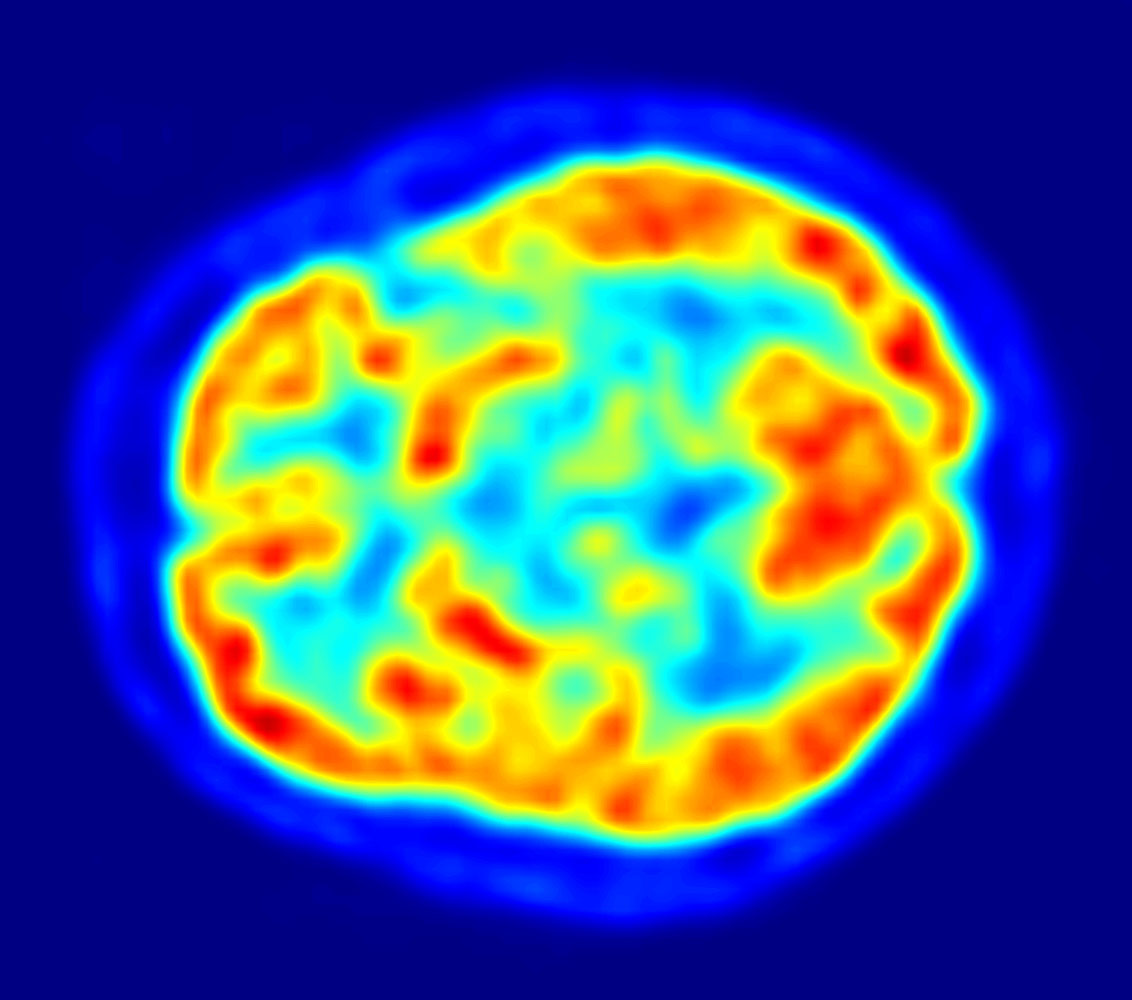
Combining a PET scanner with a new chemical tracer that selectively tags specific types of bacteria, researchers working with mice report they have devised a way to detect and monitor in real time infections with pathogenic Gram-negative bacteria.

The new model emerged from a combination of existing PET scan technology -- a sophisticated 3-D visualization system for tumor imaging -- with an ingredient commonly used in sugar-free foods known as sorbitol. The model capitalizes on Gram-negative bacteria's fondness for sorbitol, which they readily soak up. By contrast, other classes of bacteria and other microorganisms, cancer, and human cells do not absorb sorbitol. The researchers hypothesized that converting an already available PET imaging tracer into radio-labeled sorbitol would selectively tag and light up clusters of Gram-negative bacteria inside the body.


For further details, see:

Edward A. Weinstein, Alvaro A. Ordonez, Vincent P. Demarco, Allison M. Murawski, Supriya Pokkali, Elizabeth M. Macdonald, Mariah Klunk, Ronnie C. Mease, Martin G. Pomper, and Sanjay K. Jain. Imaging Enterobacteriaceae infection in vivo with 18F-fluorodeoxysorbitol positron emission tomography. Science Translational Medicine, October 2014 DOI: 10.1126/scitranslmed.3009815

Posted by Tim Sandle

Special offers