Showing posts with label Cancer. Show all posts

Saturday, 13 January 2024

Manipulation of gut microbiota with flaxseed could reduce breast cancer risk


A study demonstrates that the human gut microbiome may be a factor in breast health. In the study, flaxseed components called lignans were shown to influence the relationship between gut microorganisms and the expression of mammary gland microRNAs (miRNAs).

miRNAs are short, noncoding RNAs that regulate gene expression by targeting the 3' untranslated region of target mRNAs. A subset of these miRNAs regulates the genes involved in breast cancer, including genes that control cell proliferation and migration. 

Monitoring science

The gastrointestinal microbiota appears to play an important role in modifying many components of our diet to impact human health. The researchers studied the effects of flaxseed lignans on the microbiota of young female mice.

One flaxseed oil lignan requires microbial processing to release bioactive metabolites, small-molecule chemicals produced during metabolism that influence physiology and disease -- in this case, having antitumor effects.

Hence, the investigators found correlations between diets enriched in flaxseed, caecal microbiota composition, and miRNA profiles in the mammary gland that regulate many pathways, including those involved in cancer development.

Lignans, fibre-associated compounds found in many foods and particularly plentiful in flaxseed, are associated with reduced breast cancer mortality in postmenopausal women.

The researchers found that lignan components generate specific miRNA responses in the mammary gland.

The preliminary results support further research into the role that the microbiota plays in dietary approaches to reduce risk factors associated with disease.


Reference:

Diana Wu, Lilian U. Thompson, Elena M. Comelli. Cecal microbiota and mammary gland microRNA signatures are related and modifiable by dietary flaxseed with implications for breast cancer risk. Microbiology Spectrum, 2023; DOI: 10.1128/spectrum.02290-23

Posted by Dr. Tim Sandle, Pharmaceutical Microbiology Resources (http://www.pharmamicroresources.com/)
Sunday, 12 June 2016

Lung Cancer Treatments


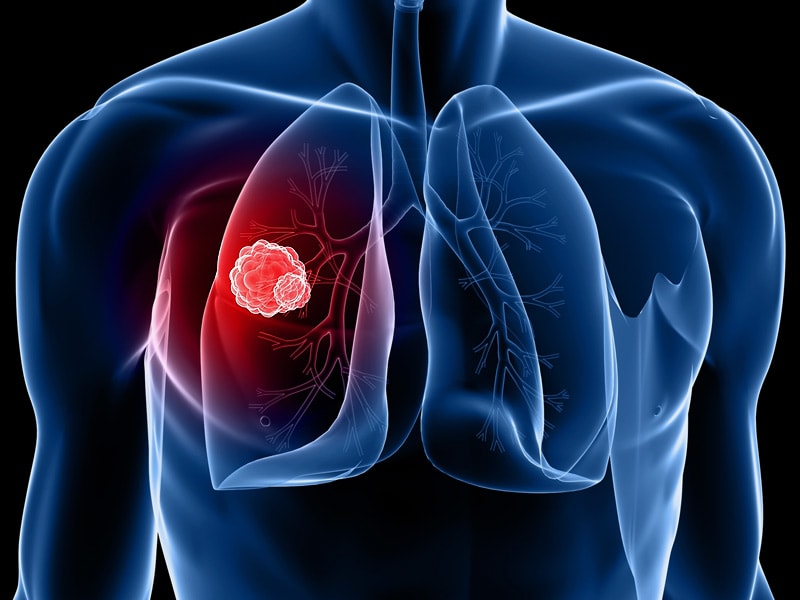
Every year over 45,000 people are diagnosed with lung cancer in the UK, accounting for 13% of all new cancer diagnoses and it’s the 3rd most common cancer, and the most common cause of cancer death. It is believed that nearly 90% of all lung cancer cases could have been prevented, as lifestyle factors make a huge difference to this disease, proved by the fact that it is the over75s who are typically affected, largely thanks to the tobacco smoking culture. (Statistics courtesy of Cancer Research UK.) However being told it could have been prevented isn’t particularly helpful to know if you have already been diagnosed so read on to find out about the most common forms of treatment for this disease.

First of all, your treatment plan will depend on whether you have non-small-cell lung cancer or small-cell lung cancer. Approximately 90% of all diagnosed lung cancer cases are non-small-cell lung cancer which is slow growing and usually found in the outer area of the lung. Occurring most commonly in smokers, it is also the most common form of lung cancer in non-smokers too. Small-cell lung cancer normally occurs in the middle of the lung and grows much more rapidly. Cases are extremely rare in non-smokers.

Starting with the most common form the non-small-cell lung cancer, treatment for this is can be chemotherapy, radiotherapy, surgery or a combination of these depending on at what stage the cancer has been diagnosed. If you have early stage, you are most likely to be prescribed a treatment of chemotherapy followed by radiotherapy which is called adjuvant radiotherapy. These 2 in conjunction can help slow and shrink the tumour, or in some cases even completely eliminate it. Since this cancer often spreads to the brain, radiotherapy to the brain is often administered too.

Surgery is usually performed to get rid of the cancerous lung cells in non-small-cell cancer if possible. Often some of the lymph nodes are removed to and sent out for analysis to check for any cancerous cells too. Surgery tends to be performed in cases of this cancer where it is near to the heart, major blood vessels and the food or wind pipes. While this is daunting, your breathing should not be altered by this drastic-sounding operation and surgeons are even able to remove up to one lung without altering your breathing.

Since small-cell lung cancer has generally already spread by the time that it is detected, surgery isn’t normally used to treat it.  Chemotherapy and radiotherapy are both used to shrink and slow down the tumour, as well as other treatments to relive and control the symptoms. However for very early stage small-cell cancer that has not yet spread to the lymph nodes found in the middle of the chest, a lobectomy can be performed which is removal of one lobe of the lung.

Lung treatment is usually carried out fairly rapidly following diagnosis as since with most if not all cancers, time is an important factor as the earlier its caught, the easier it is to treat. With private cancer clinics or if your consultant recommends you, there are clinical trials that place too. Check out the Cancer Research Site above to see if you are eligible to get involved too. For more information about lung cancer treatment, visit the NHS website.


Abbie Owens is a progressive promoter in all things related to health and wellbeing. Currently studying Health Policy and Management at the University of Exeter and is the creator and main contributor to the Think Healthy Magazine.

Sunday, 10 May 2015

Random Mutations in Cancer Pathogenesis --- A Refutation


There is currently a notion circulating that cancer is primarily due to “random mutations”.  I have come across this statement twice, first in a Cell Biology text (I won’t name it out of deference to the authors), and in a January 2015 issue of Time magazine.  My gut reaction to this hypothesis is that it is either patently false, or at best only a half-truth.  I indicated as much to an undergraduate class while teaching Cell Biology in the following way.  I quoted the text on the lecture slide and then, in capital letters, bolded, inscribed beneath it: FALSE.  Evidence from more than half of the last century flies in the face of this theory, and I will not allow current advances in genetic analysis to defend it.  To attribute all cases of cancer to random mutation cognitively diminishes several causes of cancer that have been definitively proven.  A list is not that difficult to come up with --- ionizing radiation, ultraviolet light, ingestion of radioisotopes, various DNA viruses, the retroviruses, and a long list of chemicals that are frank carcinogens, including benzanthracene, benzo[a]pyrene, and dioxin, a contaminant of the defoliant “Agent Orange” that was widely used during the Vietnam War. 

Perception is not always reality, and while these are in fact the cause of what may be called “random” mutations, the ability of these agents to cause transformation of normal cells to a proliferative phenotype devoid of growth control cannot be called a random event.  While the length of this article does not permit an examination of the mechanism of each of these agents, some brief details are quite illustrative.  In the era of atmospheric nuclear weapons testing, an epidemic of thyroid cancer in young teenagers was traced to radioactive iodine isotopes that settled out on the grass of dairy farms.  Drinking the milk containing them resulted in concentration of the isotopes in the children’s thyroid glands (Barry Commoner, “Science and Survival”, Viking Compass, 1967).  Had this epidemic been ascribed to random chance, the nuclear test ban might never have been arrived at or maintained.  This phenomenon was repeated following the meltdown at the Chernobyl nuclear reactor, hardly a random occurrence given the geographical distribution.


The literature on multicyclic aromatic compounds goes back as far as 1949, when Setala noted a synergistic effect of benzanthracene on the microtubule disruptor colchicine during the development of skin cancer in mice.  To this day, benzanthracene and benzo(a)pyrene are standard compounds used to induce cancers in laboratory animals.  Unfortunately, they are also described as “ubiquitous” carcinogens, found in diesel exhaust particulates and asphalt, with small amounts even generated during grilling of food.  Perhaps it is easier to accept the continued introduction of these compounds into the environment from crude oil derived products if any dire consequences are attributed to “random” causes.  During my undergraduate work at the University of Texas at Austin, I had the great privilege to take a course under Dr. David T. Gibson, a graduate of Leeds.  He determined how bacteria break down benzene as a sole carbon source, using a strain of Pseudomonas putida.   

There is a difference in the metabolism of aromatic compounds in bacteria and eukaryotic cells.  In both cases, the first intermediate is an epoxide, basically a triangular oxygen bridge between two adjacent carbon atoms.  Hydrolysis of this strained intermediate produces a cis-dihydrodiol in bacteria, but a trans-dihydrodiol in animals. The diols can then be cleaved by further oxidation, thus cracking open the ring.  There’s a problem with some compounds, in that the epoxide is not easily hydrolyzed to the diol, but remains highly reactive, and will easily form bonds to polynucleic acids such as DNA and RNA.  This is the case with benzo[a]pyrene, in which the formation of a diol at the 7,8 position serves to stabilize an epoxide linkage at carbons 9 and 10.  Mutations in genetic material due to binding of such reactive intermediates can result from steric hindrance during replication or outright strand breakage.  However, highly specific mechanisms for tumor induction have recently been revealed, including an aromatic (aryl) hydrocarbon receptor, involvement of P450 cytochromes, and even upregulation of microRNAs that favor cell transformation


Thus, while some generated mutations may be random, there is nothing random in either the ability of these aromatic hydrocarbons to cause them or in the complexity of the mechanisms used.  Dr. Gibson was concerned not only with the metabolism of aromatic compounds, but especially those bearing a halogen such as chlorine, fluorine, or bromine, like dioxin (2,3, 7,8-tetrachlorodibenzo-p-dioxin), one of the most carcinogenic substances known.  He also introduced us to the plethora of multicyclic compounds present in crude oil, especially those in the heavy “asphaltene” fraction that are resistant to degradation and may persist for decades after a crude oil spill.  The spectacle of FDA inspectors doing a “sniff test” for hydrocarbons shortly after the BP Gulf oil spill would be ridiculous if it were not so alarming. 

To allow consumption of any organisms drawn from the Gulf fishery so soon after the spill without full analysis, including GC/MS of any organic compounds was, in my mind, unconscionable.  I am not an organic chemist or a toxicologist --- my dissertation studied the modulation of the immune system by intracellular pathogens.  I came by it during a career in the diagnostic and pharmaceutical industries.  But I never forgot what David Gibson taught me so many years ago --- that the ability of some agents to cause mutations is not a random phenomenon.  The assault of carcinogenic viruses and chemical mutagens in our environment will continue.  But I for one will not allow them to remain unnamed and anonymous under a cloak of randomness.

© T.L. Davis, 2015

Special offers