Friday, 13 September 2013

House bill gives FDA new power over compound pharmacies


Regular readers will know about the current issues with many U.S. compounding pharmacies (see for example the Digital Journal). Many of these issues have related to sterility assurance.

Pharmaceutical Microbiology has run a series of investigative articles on the crisis facing U.S. compounding pharmacies as the U.S. Food and Drug Administration (FDA) embarks on a series of inspections into issues of quality and sterility of medicines.
These different events, in short time frame, suggest that the continuing problems with quality control in certain U.S. pharmacies continues to be an issue of major concern, especially in relation to the potential risks of microbiological contamination.

In light of this, the news has come in that U.S. lawmakers are introducing a bill that would give drug regulators more authority over compounding facilities. 'The Compounding Clarity Act', introduced on September 12, 2013, by Reps. Gene Green (D-Texas), Morgan Griffith (R-Va.) and Diana DeGette (D-Colo.), would give the Food and Drug Administration (FDA) power to oversee major drug manufacturing facilities.

The legislation comes nearly a year after an outbreak of fungal meningitis, during which 64 people were killed. Those deaths have been blamed on contaminated drugs from a Massachusetts facility (the New England Compounding Center). 

The legislation expands the authority of the FDA to oversee large compounding pharmacies, which alter strength, dosage and ingredients of drugs to make customized batches of medication. Large facilities like the one at the root of the 2012 outbreak are largely exempt from FDA oversight under current law. The bill also calls for a new notification system to make sure that the FDA acts on complaints it receives from state pharmacy boards. However, only large compounding pharmacies would be subject to the new restrictions, not traditional facilities.

For further details, see this letter from the NPCA.

Posted by Tim Sandle

Antimicrobial strategy 2013- 2018


The British government has unveiled a five-year antimicrobial strategy. This forms part of a multi-pronged global approach to address the growing spread of antimicrobial resistance.

The objective is to find more efficient means to develop new antimicrobials. While resistance to existing antibiotics is snowballing, the stream of antibiotics coming through R&D pipelines is drying up fast; a 75% drop in the number of systemic antibacterials approved by US regulators was seen between 1983 and 2007, with a further drop observed in subsequent years.

The five-year antimicrobial resistance strategy outlines that steps are being taken to:

Improve how we prevent and manage infections in people and in animals; including through better hygiene and monitoring of bacteria in medical and community settings, and through better farming practices.

Improve education and training around the prescribing of antibiotics to reduce inappropriate usage and make sure patients get the right antibiotics, at the right time and for the right duration.

Collect better data on the resistance of bugs so we can track them more effectively, find the most resistant bacteria and step in earlier where there is resistance to antibiotics.

Provide funding of up to £4million to set up a new National Institute of Health Research (NIHR) Health Protection Research Unit which will focus on AMR and healthcare associated infections. In recognition of the importance of quick action, the NIHR is also running a themed research call to encourage AMR research across a range of areas.

Explore ways to encourage the development of new antibiotics, rapid diagnostics and other treatments by working with industry and across Government.

One part of the strategy is work with commercial pharma to develop new antimicrobials for the market. A report by Office of Health Economics suggests considering the use of incentives such advance market commitments, priority review vouchers, patent extensions, and direct R&D funding to help fuel activity in the area.

For more details, see: UK antimicrobial

Posted by Tim Sandle

Thursday, 12 September 2013

New insights into contaminated drinking water


Bacteria commonly found in drinking water creates conditions which enable other- potentially harmful -- bacteria to thrive, says research by engineers from the University of Sheffield. The research, published in the latest issue of Water Science and Technology: Water Supply, points the way to more sophisticated and targeted methods of ensuring our drinking water remains safe to drink, while still reducing the need for chemical treatments and identifying potential hazards more quickly.

The research team, from the University of Sheffield's Faculty of Engineering, studied four bacteria found in the city's drinking water to see which combinations were more likely to produce a 'biofilm'. Biofilms are layers of bacteria which form on the inner surfaces of water pipes.

Funded by the Engineering and Physical Sciences Research Council, the research isolated four bacteria from water taken from a domestic tap: two were widely found in drinking water everywhere, one was less common and one was unique to Sheffield. The researchers mixed the bacteria in different combinations and found that, in isolation, none of them produced a biofilm. However, when any of the bacteria were combined with one of the common forms, called Methylobacterium, they formed a biofilm within 72 hours.

For further details, see the following paper:

B. Ramalingam, R. Sekar, J. B. Boxall, C. A. Biggs. Aggregation and biofilm formation of bacteria isolated from domestic drinking water. Water Science & Technology: Water Supply, 2013; 13 (4): 1016 DOI: 10.2166/ws.2013.115

Posted by Tim Sandle

Wednesday, 11 September 2013

Encyclopedia of Pharmaceutical Science and Technology


The fourth edition of the Encyclopedia of Pharmaceutical Science and Technology has been issued. The six-volume set has been edited by James Swarbrick.

The description of the encyclopaedia is:

“Presenting authoritative and engaging articles on all aspects of drug development, dosage, manufacturing, and regulation, this Third Edition enables the pharmaceutical specialist and novice alike to keep abreast of developments in this rapidly evolving and highly competitive field. A dependable reference tool and constant companion for years to come, the Third Edition offers completely new entries that cover critical issues in the field such as the impact of genomics, biotechnology, and implants on drug discovery, targeting, delivery, and formulation. In addition, it will address new regulatory issues, such as the changes in advertising regulations, and emerging FDA procedures.”
The encyclopedia includes contributes on microbiological and pharmaceutical relates subjects by Tony Cundell (Pharmaceutical Quality Assurance Microbiology Laboratories), Jeanne Moldenhauer (on bio-validation), James Akers and Jim Agalloco (on aseptic processing), and Tim Sandle (on microbial control of pharmaceuticals and cleanroom contamination control).

Tim Sandle’s contributions are:

Tim Sandle . Microbial Control of Pharmaceuticals. In Encyclopedia of Pharmaceutical Science and Technology, Fourth Edition. Taylor and Francis: New York, Published online: 23 Aug 2013; 2122-2132. http://dx.doi.org/10.1081/E-EPT4-120050301

Tim Sandle . Contamination Control: Cleanrooms and Clean AirDevices. In Encyclopedia of Pharmaceutical Science and Technology, Fourth Edition. Taylor and Francis: New York, Published online: 23 Aug 2013; 2122-2132. http://dx.doi.org/10.1081/E-EPT4-120050223

Posted by Tim Sandle

Tuesday, 10 September 2013

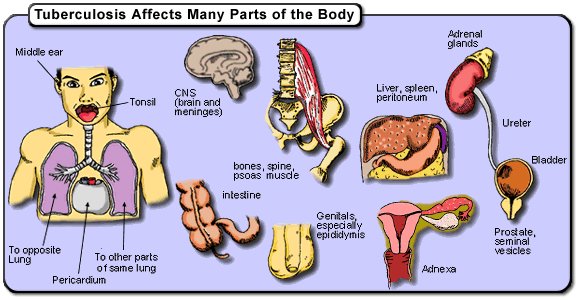
Why is tuberculosis so prevalent?


Scientists have produced a new analysis of dozens of tuberculosis genomes gathered from around the world, from this researchers have produced a more detailed picture of why tuberculosis (TB) is so prevalent and how it evolves to resist countermeasures.

In a new paper, by University of Wisconsin-Madison researcher Caitlin Pepperell,  the research describes a bacterium that marches in lockstep with human population growth and history, evolving to take advantage of the most crowded and wretched human conditions.

The historical research reveals that tuberculosis experienced a 25-fold expansion worldwide in the 17th century, a time when human populations underwent explosive growth and European exploration of Africa, the Americas, Asia and Oceania was at its peak.

TB is only transmitted by people, and the organism cannot survive in the environment. It thrives, however, in the crowded conditions of prisons, refugee camps and slums, and TB populations tend to be dominated by the bacteria "lucky" enough to land in those environments.


The analysis focused on the role of natural selection, looking at patterns of genetic diversity among 63 TB and related pathogenic mycobacterial genomes gathered from around the globe. The study shows a highly constrained bacterial genome, with most deleterious mutations quickly discarded. This was especially true for genes essential for causing disease, protein translation and the trafficking and metabolism of inorganic ions, which help control the interaction between the TB pathogen and its human host. The bacterium's "defense" genes, on the other hand, showed a high degree of tolerance for beneficial mutations, which may play a role in evolution of drug resistance and evasion of the human immune system.

To read more, refer to the following paper:

Caitlin S. Pepperell, Amanda M. Casto, Andrew Kitchen, Julie M. Granka, Omar E. Cornejo, Eddie C. Holmes, Bruce Birren, James Galagan, Marcus W. Feldman. The Role of Selection in Shaping Diversity of Natural M. tuberculosis Populations. PLoS Pathogens, 2013; 9 (8): e1003543 DOI: 10.1371/journal.ppat.1003543

Posted by Tim Sandle

Monday, 9 September 2013

Bacteria help to make painful skin infections 'more painful'

 +
The pain of invasive skin infections caused by methicillin-resistant Staphylococcus aureus appears to be partly induced by the invading bacteria themselves.
One reason why bacterial skin infections are so painful is because once the pain neurons "sense" the bacteria, they suppress the immune system, potentially helping the bacteria become more virulent. This is the inference drawn from a new research study.
The idea for the study began after scientists were culturing sensory neurons and immune cells together in a dish to see how they interact during an infection. The found that the neurons responded to bacteria. The study was conducted using mice.
For the study, the scientists examined pain, tissue swelling, immune cell numbers and the number of live bacteria in mice with staphylococcal skin infections. What they found was that pain levels tracked closely with the number of live bacteria and peaked well before tissue swelling peaked. The next stage of the research showed that staphylococcal bacteria secrete two kinds of compounds that communicate with sensory neurons, inducing pain.
Considering the implications of the study, the report's authors think that If medics could one day block pain in infected tissues and also block what pain neurons do to the immune system, then this could help to treat bacterial infections more effectively. Specifically, the findings suggest possible new approaches for blocking pain signaling.
The research was carried out at the Boston Children's Hospital. The findings have been published in the journal Nature. The paper is titled "Bacteria activate sensory neurons that modulate pain and inflammation."

Posted by Tim Sandle

Sunday, 8 September 2013

Introducing Pharmig.

Pharmig is the influential forum for microbiology in the pharmaceutical, healthcare and allied industries. It provides a focus for continuing professional development and a unique network for the exchange of microbiological information.

Here is a video introducing Pharmig.


Posted by Tim Sandle

Saturday, 7 September 2013

New insight into biofilm formation


Interestingly a type of pathogenic bacteria that have evolved to swarm together more swiftly are actually less efficient when it comes to forming biofilms, scientists have found. Compared with planktonic microbes, which float along in aquatic environments, bacteria conglomerated on a surface within a biofilm show markedly different phenotypes. In a study published August 15 in Cell Reports, Joao Xavier from the Memorial Sloan-Kettering Cancer Center in New York and his colleagues show that Pseudomonas aeruginosa is subject to an evolutionary trade-off between motility and effective biofilm formation.

A biofilm is any group of microorganisms in which cells stick to each other on a surface. These adherent cells are frequently embedded within a self-produced matrix of extracellular polymeric substance (EPS). Biofilm extracellular polymeric substance, which is also referred to as slime (although not everything described as slime is a biofilm), is a polymeric conglomeration generally composed of extracellular DNA, proteins, and polysaccharides. Biofilms may form on living or non-living surfaces and can be prevalent in natural, industrial and hospital settings.
“We were surprised that the hyperswarmers were worse at forming biofilms than the wild type,” Xavier told New Scientist. “Our data suggests that they do attach [to one another] but then have a much higher probability of detaching before they start growing and reproducing at the surface. The most likely reason for their early detachment is that they just move more.”

In an experimental evolution setup, Xavier’s team subjected P. aeruginosa to repeated rounds of swarming. Through parallel evolution, the bacteria eventually converged toward a hyperswarmer phenotype. In bacterial populations that evolved independently, the researchers found that this phenotype was caused by parallel point mutations in FleN, a flagellar synthesis regulator.

“Although hyperswarmers outcompete the ancestral strain in swarming competitions, they are strongly outcompeted in biofilm formation, which is an essential trait for P. aeruginosa in environmental and clinical settings,” the researchers wrote in their paper.

Ordinarily, P. aeruginosa invade people with weakened immune systems, forming films that make them tough to nix with antibiotics. As New Scientist notes, “Figuring out a way to prevent the bacteria from forming biofilms could make infections easier to treat.”
Posted via The Scientist

Friday, 6 September 2013

New insight into the spread of Anthrax infection

A new hypothesis concerning a crucial step in the anthrax infection process has been advanced by scientists at the National Institute of Standards and Technology (NIST) and the U.S. Army Medical Research Institute for Infectious Diseases (USAMRIID) at Fort Detrick, Md.

The research teams have explored the behaviour of the toxins that rapidly overwhelm the body as the often-fatal disease progresses. Their findings suggest a new possible mechanism by which anthrax bacteria deliver the protein molecules that poison victims.

To read about this further, see the following paper:

Brian J. Nablo, Rekha G. Panchal, Sina Bavari, Tam L. Nguyen, Rick Gussio, Wil Ribot, Art Friedlander, Donald Chabot, Joseph E. Reiner, Joseph W. F. Robertson, Arvind Balijepalli, Kelly M. Halverson, John J. Kasianowicz. Anthrax toxin-induced rupture of artificial lipid bilayer membranes. The Journal of Chemical Physics, 2013; 139 (6): 065101 DOI: 10.1063/1.4816467

Posted by Tim Sandle

Thursday, 5 September 2013

Continued Evolution of West Nile Virus, Houston, Texas, USA, 2002–2012


Since 1999, when West Nile virus was first detected in the United States, evolution of the virus has been continually tracked by examination of dead birds. Recently, this tracking (surveillance) revealed that genetic changes have been occurring in the virus.  During 2010–2012, four new genetic groups of the virus were found in Texas. These genetic groups were more closely related to viruses from the northeastern United States than to those previously found in Texas. There was no evidence in a change in virulence for the virus in 2012. For any virus, genetic changes can affect such factors as how efficiently the virus is spread, the degree of illness it can cause (virulence), and whether a vaccine would be effective. Therefore, prevention and control of West Nile virus infection depends on continued tracking of the virus evolution.

For further details, see the CDC.

Posted by Tim Sandle

Wednesday, 4 September 2013

Do facemasks protect against flu?

The answer to this question is ‘possibly’. The conclusion to a study by Zhang et al, titled “Protection by Face Masks against Influenza A(H1N1)pdm09 Virus on Trans-Pacific Passenger Aircraft, 2009” is that “Wearing a face mask was a protective factor against influenza infection.”

The abstract to the study is:

“In response to several influenza A(H1N1)pdm09 infections that developed in passengers after they traveled on the same 2 flights from New York, New York, USA, to Hong Kong, China, to Fuzhou, China, we assessed transmission of influenza A(H1N1)pdm09 virus on these flights. We defined a case of infection as onset of fever and respiratory symptoms and detection of virus by PCR in a passenger or crew member of either flight. Illness developed only in passengers who traveled on the New York to Hong Kong flight. We compared exposures of 9 case-passengers with those of 32 asymptomatic control-passengers. None of the 9 case-passengers, compared with 47% (15/32) of control-passengers, wore a face mask for the entire flight (odds ratio 0, 95% CI 0–0.71). The source case-passenger was not identified. Wearing a face mask was a protective factor against influenza infection. We recommend a more comprehensive intervention study to accurately estimate this effect.”

The study has been published in Emerging Infectious Diseases and it can be accessed online here: CDC.

Posted by Tim Sandle

Tuesday, 3 September 2013

Adhesion and Growth of Candida Albicans


Candida albicans is a diploid fungus that grows both as yeast and filamentous cells and a causal agent of opportunistic oral and genital infections in humans. C. albicans is the most prevalent fungus in the human oral cavity and has been known as the primary cause of denture-related stomatitis. Germination and the presence of human whole saliva are important factors in the adhesion of C albicans to the resin-composite restorative material. Candida cells have a high adhering potential to dental material in almost the same manner as to oral tissues, and they are known to form bio-film that leads to C. albicansresistance against anti-fungal drugs. It grows as filaments known as hyphae that are able to penetrate the body tissues. The organisms can cause painful conditions such as ‘sore mouth’ in denture users, where they grow in between the denture and the palate.

While denture wearers can apply an anti-fungal paste to help get rid of the infection, they usually end up having to obtain new dentures because the hyphae penetrate the denture material. However, Candida may lead to more serious problems if the fungi get into the blood stream and infect the organs. This condition, known as candidaemia, can be fatal. sIgA, as well as whole saliva, are important in blocking adherence of C. albicans and C. dubliniensis to Herculite and that this effect can be reproduced with mAbs directed against the cell wall surface of C. albicans.

C. albicans growth on the restorative dental materials can be determined using the MTT [(3-(4,5-dimethylthiazol-2-yl)-2,5- diphenyltetrazolium-bromide)] test, which is an established spectrophotometric measurement.Therapeutic doses (100 μM and 1 mM) of Aspirin may inhibit growth by over 70%. Higher concentrations have inhibition of over 90% after 48 hours.

Posted by Tim Sandle

Monday, 2 September 2013

Design considerations for container closures


Parenteral products (products that are administered to the body by injection) are designed, formulated and packaged to be sterile and to maintain sterility. One of the most important parts of the packaging of the sterile drug product is the container-closure mechanism. This article examines the use of closures, intended for injection, in the pharmaceutical industry. The article considers the most important aspects relating to the manufacture of closures and the different physical and biological tests required in order to assess that closures are ‘fit for purpose.’ The article does not address caps or other types of seals.

Tim Sandle has explored the design and validation requirements for the use of container closures for medicinal products in a peer reviewed article for BioPharm International. This has been published in a recent edition.

Here is an extract:

“A review of industry practices suggests that failures occur with container-closure seals for a variety of reasons. These include poor quality starting materials; an improper fir of the container-closure combination; the lack of sufficient inspection as part of batch release; insufficient process monitoring or process control; the use of unreliable manual or visual inspection techniques; the use of methods that produce subjective results and the lack of proper process validation. This latter point is addressed through the tests described below.”

The reference is:

Sandle, T. (2012). Container Closures for Pharmaceutical Preparations: A review of Design and Test Considerations, BioPharm International, Vol. 25, No. 12, pp32-36

For further details, see BioPharm International

  Posted by Tim Sandle

New book: Sterility Testing of Pharmaceutical Products

A new book has been published: 'Sterility Testing of Pharmaceutical Products' by Tim Sandle.

For details, and to take advantage of a special 20% discount, please see the poster below or click on this link: Sterility Testing of Pharmaceutical Products by Tim Sandle

Alternatively, see the flyer below.

Thanks,

Tim Sandle

Posted by Tim Sandle

Sunday, 1 September 2013

Cleanroom standard to assess equipment suitability in development


A new cleanroom standard is in development:

ISO 17910 Cleanrooms and associated controlled environments — Assessment of suitability of equipment and materials for cleanrooms.

The new standard will provide basic requirements and guidance on suitability for equipment and materials which are foreseen to be used in cleanrooms and clean zones.

The scope of the standard will be limited to airborne and surface cleanliness for particles and chemicals. This includes consideration of outgassing and particle and chemical emission from equipment and materials. Guidance will be provided for the mechanisms, methods, principles for determining the emissions and cleanliness levels.

Posted by Tim Sandle

Special offers